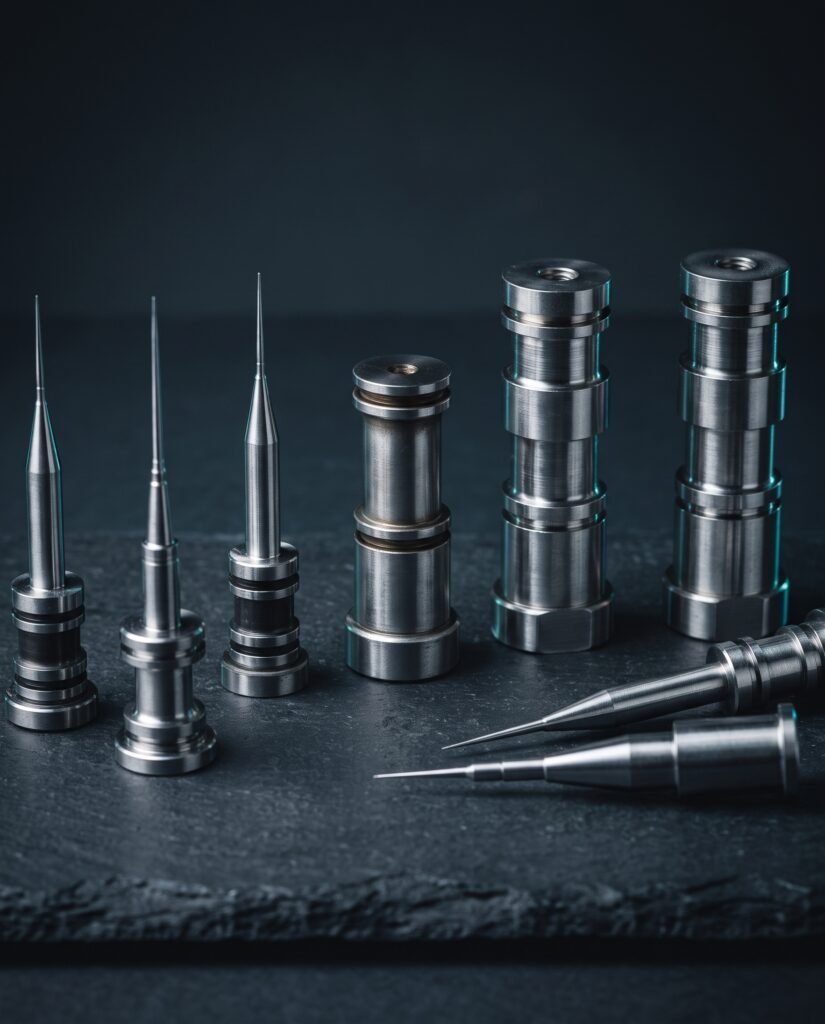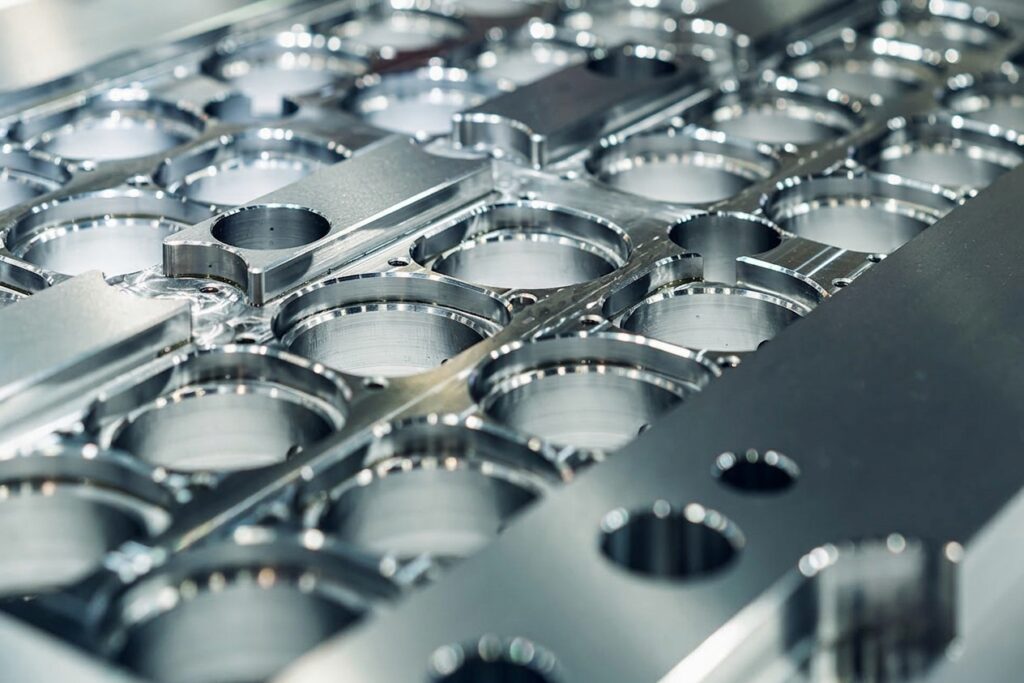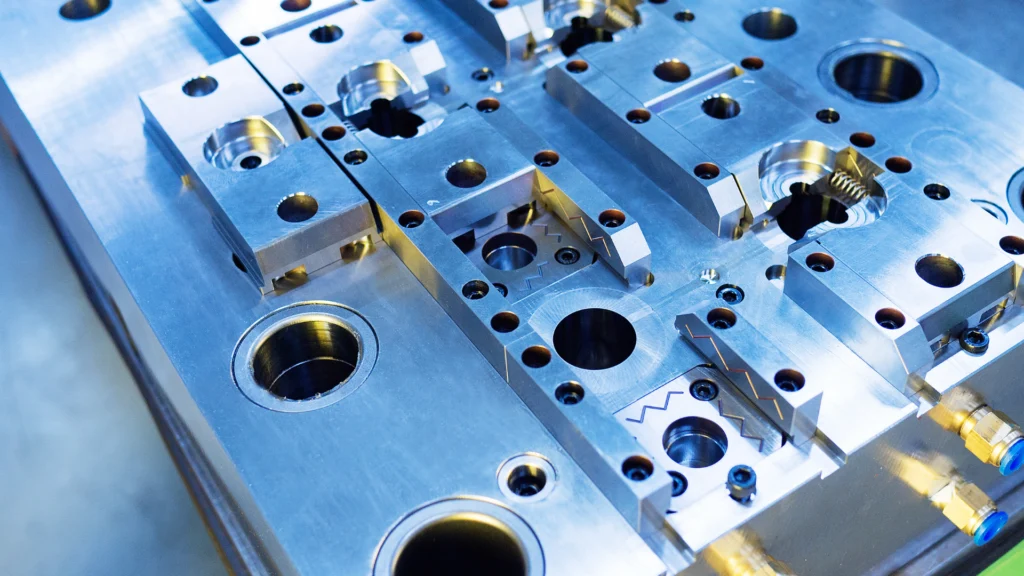
Injection mold tooling risk is the chance that your tool arrives late, samples off spec, or costs more than the quote once freight and duty land, and in Q4 2026 that risk is concentrated in three places: process technology, workforce depth, and sourcing model. The topics dominating moldmaking trade coverage this year point straight at those pressure points, and each one carries a procurement decision that most buyers make too late.
Key takeaways
- The Manufacturing Institute projects US manufacturing could need up to 3.8 million workers through 2033, with roughly 1.9 million jobs at risk of going unfilled, which tightens tooling capacity and stretches lead times.
- Capable shops now hard mill open three dimensional surfaces and reserve EDM for sharp internal corners and deep ribs, which compresses build cycles when a shop is set up for it.
- Offshore injection mold tooling shows invoice savings of 40 to 60 percent that narrow to roughly 35 to 50 percent on a landed basis after freight, duty, and inspection.
- Section 301 duties on many Chinese plastics and components run 25 percent or higher, so the landed math changes before Q4 orders close.
- Metal additive conformal cooling has cut cooling time by large margins in documented cases, and cooling often drives half or more of total cycle time.
What the 2026 moldmaking reading list signals about Q4 tooling risk
The stories that pull the most attention in moldmaking trade coverage are a leading indicator, not entertainment. When readers of publications like MoldMaking Technology keep clicking on process shifts, workforce succession, and capacity signals, that is the supply base telling you where its own stress lives. For an OEM engineer or sourcing lead, each of those themes maps to a real question you should answer before a Q4 program closes.
The gap between capable shops and average shops has widened. It shows up in two numbers a buyer can actually feel: lead time variance and DFM turnaround speed. A shop that runs a modern process mix quotes tighter and holds its dates. A shop that is behind on process and behind on people quotes loose and slips. Price alone will not tell you which one you are looking at.
Why shops are moving from EDM to high speed hard milling
Shops that substitute high speed hard milling and metal additive manufacturing for traditional EDM compress the tooling build cycle, but the transition is uneven across the supplier base. Your supplier’s position on that curve directly affects when you see first article samples. EDM is not going away. It remains the right tool for sharp internal corners, deep narrow ribs, and fine core detail. The change is that capable shops now deploy it selectively rather than as the default for most cavitation work.
MoldMaking Technology frames the decision plainly: choose hard milling for open three dimensional surfaces and reserve EDM for the features milling cannot reach cleanly. A common efficient path is to hard mill down to a defined depth, then finish specific features with EDM, rather than sparking the whole cavity. That mix cuts setups and hours off the build.
This is a supplier qualification signal. A shop that defaults to EDM on work a capable supplier would hard mill adds schedule time without adding quality. Ask a prospective shop how it handles deep ribs and fine core detail before you award. The answer separates capable suppliers from average ones faster than any glossy capacity sheet. See our China versus USA mold cost breakdown for how process capability shows up in real quotes.
Metal additive and conformal cooling change your cycle economics
Metal additive manufacturing has moved from prototype curiosity into production tooling, a shift the industry put front and center at the 2026 Injection Molding Summit. The payoff for a buyer is not the printer. It is the conformal cooling channel that a printed insert makes possible, following the part geometry instead of a straight drilled line.
Cooling drives a large share of cycle time, often half or more on a thermally heavy part. Documented shop cases show conformal cooling cutting cooling time by wide margins, in some examples from roughly 30 seconds down to about 12. On a high cavitation tool running millions of shots, two or three seconds off the cycle is real money over the program life. The tradeoff is that printed inserts add build cost and require a shop that actually understands the thermal simulation behind them. That capability is another qualification signal worth checking.
The prototype to production gap is a sourcing decision
The jump from a prototype tool to a production grade multicavity tool is where most OEM programs lose schedule. That is a sourcing strategy question, not a shop floor problem, and the model you pick decides how the gap gets managed. Here is the honest tradeoff as it stands in 2026, drawn from current tooling pricing data.
| Factor | Domestic tooling | Offshore tooling |
|---|---|---|
| Invoice cost, comparable complexity | Baseline | 40 to 60 percent lower |
| Landed cost after freight, duty, inspection | Baseline | Roughly 35 to 50 percent lower |
| First article lead time, moderate complexity | 8 to 12 weeks | 12 to 20 weeks with ocean freight |
| DFM iteration loop | Fast, same time zone | Slower, managed with a strong partner |
| Break even volume, typical | Lower | Often 10,000 plus parts over tool life |
The savings are real, but they narrow as complexity and validation demands rise. The programs that go sideways are the ones that treat offshore as a pure price play and skip the DFM and validation support that closes the prototype to production gap. Handled with a partner who manages that loop, the landed savings hold. Our guide to offshore tooling for injection molding walks through where the money actually goes.
The workforce math behind lead time variance
Capacity is not just machines. It is the toolmakers who run them. The Manufacturing Institute and Deloitte project that US manufacturing could need as many as 3.8 million workers through 2033, with about 1.9 million of those jobs at risk of going unfilled if the talent gap is not addressed. In the tool room that shortage is already here, and it is the quiet reason two shops quoting the same tool can be four weeks apart on delivery.
When you evaluate a supplier, ask who actually builds and benches the tool, not just how many machines sit on the floor. A shop leaning on one or two senior toolmakers carries schedule risk that never shows up on a capacity chart. Bench depth is a lead time predictor.
Tariffs and the Q4 procurement clock
Section 301 duties still shape the sourcing math. Many Chinese plastics and related components carry duties of 25 percent or higher after the finalized Section 301 increases. If you are modeling a Q4 award at last year’s landed rates, you may be underpricing what you will actually pay. The move is not to panic reshore. It is to run the landed number honestly, tool by tool, and to lock quotes and terms before policy shifts again.
A shop floor checklist before you award Q4 tooling
Here is the short version I use when I qualify a shop for a client. Walk through it before you sign.
- Ask how the shop splits hard milling and EDM on your specific geometry. Vague answers are a flag.
- Confirm who benches the tool and how deep the toolmaker bench runs.
- Get the DFM turnaround commitment in writing, not just the build quote.
- Model landed cost with current freight and Section 301 duty, not the invoice alone.
- Match your volume to the break even. Below 10,000 parts, the offshore case gets thinner.
- Ask whether conformal cooling is on the table for thermally heavy parts, and whether the shop can back it with simulation.
A real example. A client came to me in August with a 16 cavity closure tool quoted three ways. The cheapest offshore invoice was 55 percent under the domestic quote. On paper it was the obvious pick. Once we added ocean freight, Section 301 duty, and a realistic two round DFM loop, the landed gap fell to about 38 percent, and the domestic shop with deeper bench depth held a firmer date. The client still went offshore, but for the right reasons and with the schedule risk priced in, not ignored.
Frequently asked questions
How does the shift from EDM to high speed hard milling change my tooling lead time?
A shop that hard mills open surfaces and reserves EDM for sharp corners and deep ribs cuts setups and machining hours, which pulls first article samples in sooner. A shop that defaults to EDM on millable work adds weeks without adding quality.
Is offshore injection mold tooling still worth it in Q4 2026 with tariffs?
Often yes, but the case is narrower than the invoice suggests. Invoice savings of 40 to 60 percent typically land at 35 to 50 percent after freight, duty, and inspection, and volumes below about 10,000 parts weaken the case. Run the landed number tool by tool.
What is the biggest source of schedule loss in a new tooling program?
The jump from prototype to production grade multicavity tooling, driven by DFM iteration and validation. It is a sourcing model decision, so pick a partner who manages that loop rather than treating tooling as a pure price buy.
How do I qualify an injection mold supplier before awarding Q4 work?
Ask how they split milling and EDM on your geometry, confirm who benches the tool and how deep the bench runs, get the DFM turnaround in writing, and model landed cost with current freight and Section 301 duty.
About the author
Brandon Henderson is President of MoldMinds, a Journeyman Tool and Die Maker with over fifteen years in custom injection molding who has run tool rooms and managed Fortune 500 tooling programs across North and South America. MoldMinds helps OEM engineers and sourcing teams qualify shops, manage DFM, and source offshore and domestic tooling without losing schedule or quality.
Need Expert Injection Molding Guidance?
From offshore tooling strategy to moldflow analysis, MoldMinds brings 15+ years of hands-on expertise to your project.
Get a Free Consultation →Have a part like this on your desk?
Send the CAD or the quote. An engineer replies within one business day.