Injection molding insights &
manufacturing expertise.
Data-driven strategies, engineering best practices, and industry news that help manufacturers optimize tooling, reduce costs, and accelerate production.

Advanced Polymer Reshoring: Audit Resin Supply Before the RFQ
The resin sourcing audit, not the tooling quote, is where advanced polymer reshoring programs succeed or fail. With a 25% Section 301 tariff on Chinese-manufactured plastic articles, OEMs evaluating PEEK, PPS, or ULTEM programs need to verify domestic resin availability and shop processing capability before committing to a reshoring strategy. This guide covers domestic supply by resin family, the TCO comparison, and a five-step shop qualification checklist.
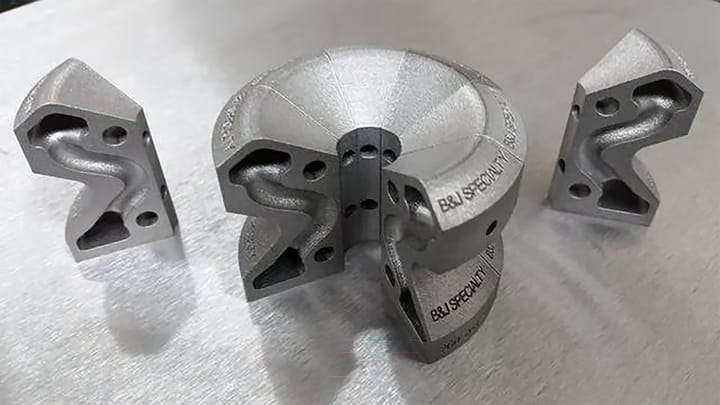
Conformal Cooling Channels: Break-Even Math Before You Cut Steel
Conformal cooling channels reduce injection mold cycle times by 20 to 70 percent, but the tooling premium is real. Before you spec it on an offshore program, run the break-even math. MoldMinds gives you the cost calculation, DMLS supplier criteria, and RFQ language to make the right call before steel is cut.

Engel EVA Runs the Machine Now: The Offshore Tooling Gap It Exposes
Engel's Virtual Assistant EVA moved from advisory AI to autonomous machine control at Fakuma 2026, as reported by Plastics Today. That shift exposes a supplier capability gap that most US OEM procurement checklists do not currently measure. Here is what to add to your RFQ before your next offshore tooling program launches.
Canada’s Tariffs on US Plastics Take Effect
Canada's retaliatory tariffs on US plastics took effect September 8, 2026. US OEMs face bilateral exposure: Canadian resin carries a 50% US import tariff, and finished US-molded components now face a Canadian countermeasure duty heading north. We break down the four sourcing scenarios and tell you what to do before the next escalation round.
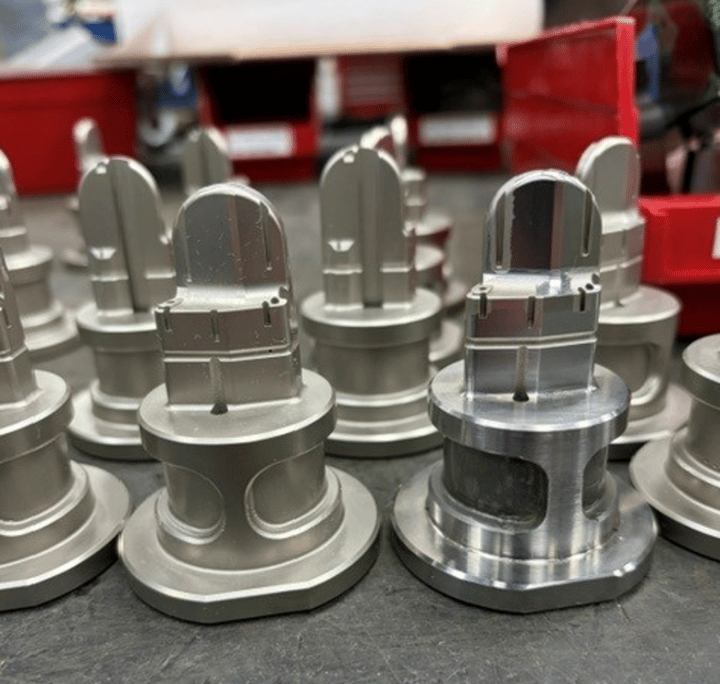
Injection Mold Steel Selection: The Offshore Substitution Risk That Kills Tools Before T2
Specify the wrong mold steel grade in your China RFQ and your supplier will default to P20 at 28 to 32 HRC for programs that need H13. On glass-filled nylon, that call cuts tool life from 1 million shots to under 200,000. This post breaks down P20 vs H13 vs S7 vs 420SS on shot life, hardness, resin compatibility, and how to write specs offshore suppliers cannot quietly downgrade.
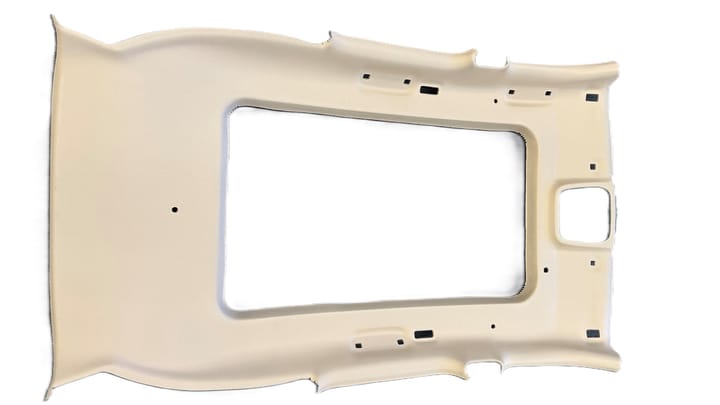
Hanwha Azdel Launches Recycled Polypropylene Composite for Headliners
Hanwha Azdel's SuperLite S25 gives automakers a recycled-content PP composite for headliners, but the material switch is not a drop-in substitution for virgin PP. Shrinkage variability in recycled-content composites can push headliner tooling out of tolerance, and a failed T1 on a headliner-scale mold costs $8,000 to $25,000 plus 4 to 6 weeks. This post translates the product launch into the tooling decisions your offshore mold RFQ needs to address.

Key Tronic’s $102M China Exit: What OEM Tooling Buyers Need to Know
Key Tronic posted $102M in Q4 revenue and formally exited China manufacturing, splitting capacity between US and Vietnam instead. For OEM tooling buyers, that decision reframes the total cost of ownership and exit readiness of your current China mold program. This analysis covers Section 301 tariff exposure, Vietnam versus China tooling benchmarks, and a five-point supplier audit you can run before your next RFQ cycle.

Canada’s September 8 Tariffs on US Molds: US OEMs Must Audit Now
Canada's retaliatory tariffs on US-manufactured injection molds and plastic products take effect September 8, 2026. If your tooling program ships molds or parts into Canada, your landed cost structure changes that day. Here is what US OEMs need to audit before the effective date, and why China-sourced tooling sits outside this tariff exposure entirely.
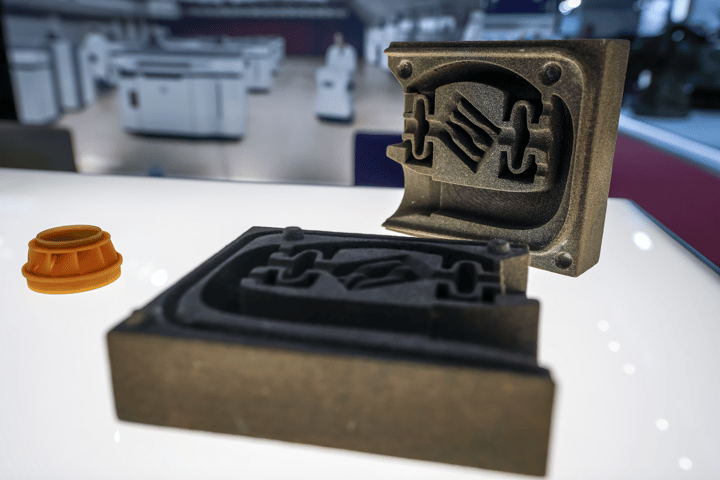
3D-Printed Injection Molds: Validation Tool, Not a Production Steel Swap
3D-printed injection molds reduce tooling costs by 80% to 90%, but they serve one job: proving your geometry before you commit to offshore production steel. Knowing exactly when to use printed tooling, when to bridge with aluminum, and when to order P20 is the decision that separates programs that hit T1 clean from programs that spiral in revision.
Yushin Wemo Acquisition and What It Means for European Molders
The Yushin Wemo acquisition reshapes linear robot options for European molders. Compare it to Sepro and Wittmann and learn what buyers should do now.
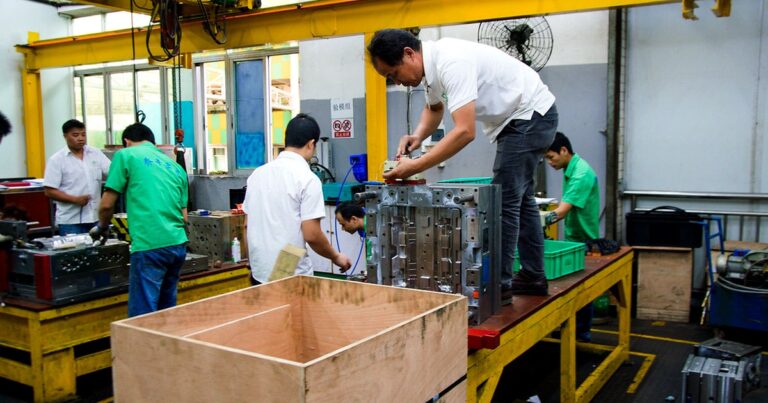
Eight Injection Mold Tooling Cost Factors That Change Your Offshore Math
Eight variables control what you pay for an injection mold, and only a few move the same direction offshore as they do domestically. This post maps each cost driver to the China sourcing reality, covering steel grade selection by shot life, cavity count payback math, and how Section 301 tariffs under HTS 8480.71 reshape the total landed cost calculation procurement teams are running right now.
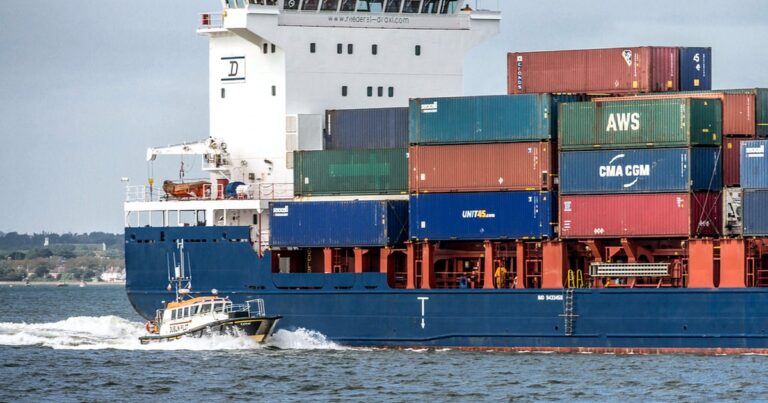
Your Offshore Mold Quote May Already Price In Tariff Evasion Risk
The White House identified a transshipment network routing Chinese goods through 40-plus nations to evade US tariffs, costing American manufacturers an estimated $60 billion annually. Injection molds under HTS Chapter 84 face Section 301 tariffs of at least 25 percent. Here is how to audit your offshore mold supplier for country-of-origin compliance before CBP does it for you.