Injection molding insights &
manufacturing expertise.
Data-driven strategies, engineering best practices, and industry news that help manufacturers optimize tooling, reduce costs, and accelerate production.
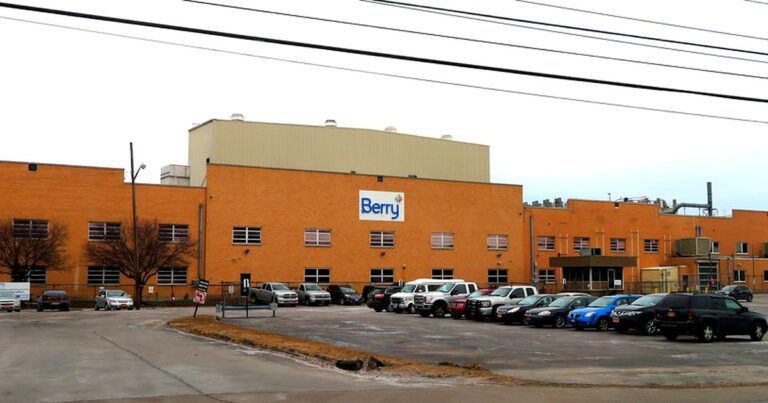
FDA Food Ingredient Rule Impacts Packaging Industry Compliance
The new FDA GRAS notification mandate requires formal FDA filings for food contact substances that previously relied on self-affirmation. For US OEMs sourcing injection-molded food-contact packaging from offshore tooling, the compliance gap is already open. Resin lot certifications, mold release agent SDS sheets, and cavity coating disclosures are the first records a federal review will demand, and the last ones a Chinese mold supplier provides without contractual requirements.

Split Resin Market: What It Means for Your Q3 Injection Mold Budget
The resin market entered August 2026 running on two separate price tracks. Commodity polyolefins like PP and PE are moving on natural gas feedstock economics while benzene-linked materials like ABS and polystyrene track crude oil refinery dynamics. Most procurement teams are still budgeting as if it is one number, and that gap is already showing up in part cost for programs with offshore molds.

Tariff Uncertainty Changes the Resin Math on Offshore Mold Programs
Tariff uncertainty is pushing rPP, rHDPE, rPET, and rABS into unpredictable pricing territory. For OEMs running China-sourced mold programs, this is an injection molding consulting problem before it is a purchasing problem. Here is how to recalculate your total landed cost and protect your program budget.

Recycled Content Verification: What the Tracking Plastic Act Requires
The Tracking Plastic Act would create a federal framework for verifying recycled resin content in consumer products, and most offshore injection mold suppliers are not ready. Here is what US OEM procurement and engineering teams need to add to their RFQs, supplier audits, and tooling reviews before the standard is codified.

Injection Molding Resin Prices 2026: Benzene Surge Changes the Math
The resin buying window of summer 2026 is narrowing fast. A benzene spot surge, firming crude oil, and Tropical Storm Bertha are turning buyer-friendly resin markets yellow. Here is what OEM procurement managers and tooling engineers running offshore injection mold programs need to decide this week.

Forced Labor Tariffs on 60 Economies: Injection Mold Sourcing Math
The US imposed forced labor tariffs on 60 economies, stacking new duty layers on top of the existing 25% Section 301 rate for China-sourced injection molds under HTS 8480. Total duty exposure can exceed 50%, and a CBP UFLPA hold can stall your T1 schedule by weeks. This post covers the landed cost math by sourcing country, CBP documentation requirements, and the real timeline and cost of moving a mold program to Vietnam, Mexico, or Taiwan.

Federal Recycled Content Rules: The Offshore Tooling Compliance Gap
Two recycling bills in front of a House subcommittee would set federal standards for recycled content claims on plastic parts sold in the US. OEM teams sourcing injection molds from China face a verification problem neither bill currently addresses. Here is where offshore tooling programs are most exposed and what to do before either bill passes.

Plastic Resin Market 2026: Lock In, Buy Spot, or Absorb the Hit
Buyers have more negotiating room in most resin markets than they have seen in years, but a geopolitical surge in crude and benzene just changed the picture for PS, ABS, nylon, and PC. Here is which resins to lock in, which to buy spot, and how to protect piece price on your offshore tooling program before the window closes.

Resin Price Outlook 2026: Close Your Contracts Before the Window Shuts
US buyers in July 2026 still hold real pricing power across polyolefins, but benzene-linked resins including ABS, polystyrene, and polycarbonate face a closing settlement window. OEMs running offshore mold programs need to align resin contract timing with their T1 and T2 qualification schedule before geopolitical volatility reverses favorable terms.
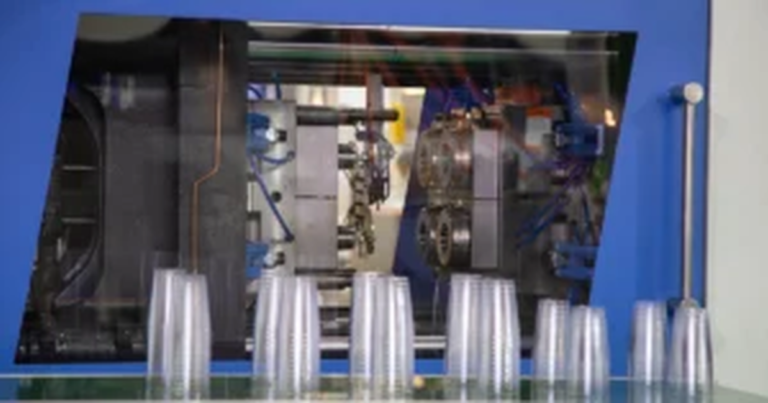
Conformal Cooling in Injection Molds: A Practical Guide
A shop floor guide to conformal cooling in injection molds: what it is, how it cuts cycle time and warp, when it pays for itself, and how to spec it.
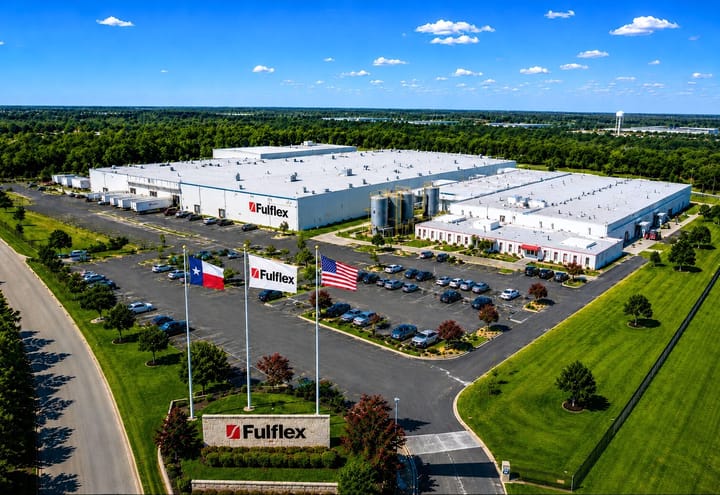
Garware Fulflex Goes Nearshore: Audit Your Medical Mold Program Now
Garware Fulflex's acquisition of a fully automated Texas medical facility doubles its global revenue and signals a nearshore shift in medical plastics supply chains. Section 301 tariffs reach 145 percent on certain Chinese goods, and that number can erase the tooling cost advantage locked in at RFQ. Run the real total cost of ownership math, including tariff exposure, validation travel, and IP risk, before your next medical mold purchase order.

Undercuts and Side Actions in Injection Molding
A shop floor guide to undercuts and side actions in injection molding: what they are, how slides and lifters release the part, and when a small part change removes the mechanism entirely.