Injection molding insights &
manufacturing expertise.
Data-driven strategies, engineering best practices, and industry news that help manufacturers optimize tooling, reduce costs, and accelerate production.
Tripled Tariffs, $118.9M in Duties: Recalculate Your Tooling TCO Now
Import duties on North American plastics machinery tripled to $118.9 million in Q1 2026. The savings case for offshore tooling has narrowed, and your RFQ models are likely stale. Here is what to recalculate before you cut steel.
When to Hire an Injection Molding Consultant: 5 Trigger Events That Demand One
Hire a consultant before tool steel is cut, after a failed T1 sample, during supplier qualification, when launching internationally, or when starting a regulated program.

Injection Molding Consultant vs In-House Mold Engineer: Which You Actually Need
Hiring a $130K in-house mold engineer vs paying $180/hr for consulting depends on program volume, scope variability, and regulatory load. The math + decision framework.
Injection Molding Consultant Cost: 2026 Rates, Fee Structures, and Negotiating Tips
Real 2026 rate ranges for injection molding consultants — hourly $150-$450, fixed-fee $2,500-$25,000, retainers $4,000-$12,000/mo. How to validate quotes and negotiate scope.
Moldflow Analysis Cost: Real Pricing and When the ROI Works
What Moldflow actually costs in 2026 by simulation type, the break-even tool size where the ROI works, and how to negotiate scope to fit your project budget.
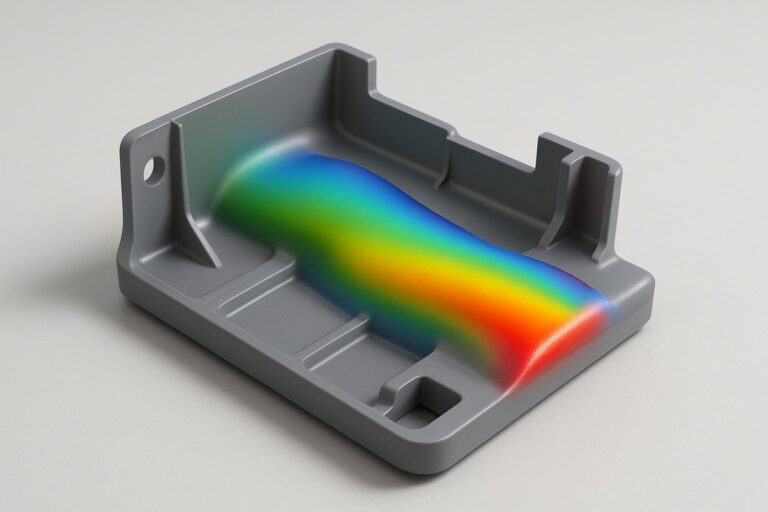
Fill, Pack, Warp, Cool: Moldflow Simulations Explained
The four Moldflow simulation types each predict a specific failure mode. Pick the right ones for your project to avoid over- or under-spending on simulation.
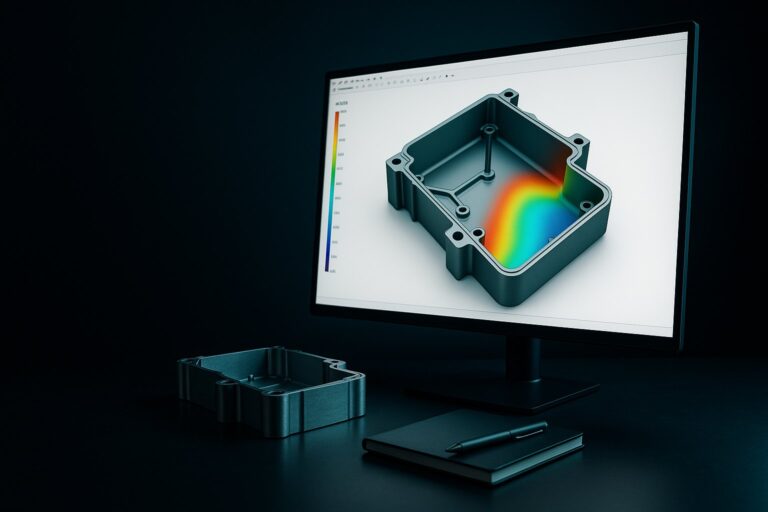
How to Read a Moldflow Report: A Buyer’s Field Guide
Reading a Moldflow report without being a simulation engineer. Which outputs actually matter for your tooling decision, what colors mean, and the red flags to escalate.
When You Actually Need Moldflow Analysis (and When You Don’t)
Moldflow is worth $1,500-$8,000 on tools above $25K with cosmetic, dimensional, or cycle-time risk. Below that, hand calcs do the job. Decision framework + cost-benefit math.

Asian Plastics Tariffs Force a Hard Look at Offshore Sourcing Math
Tariffs on Asian plastics imports are no longer a background risk, they are a line item that changes the outcome of your sourcing decision. APR and ACC testimony before the US Trade Representative in May 2026 signals accelerating trade pressure on Chinese and Southeast Asian producers. Our injection molding consulting team breaks down what the current rates mean for your tooling cost model and what to do about it now.
Injection Mold Modification Cost: Real Numbers for Common Changes
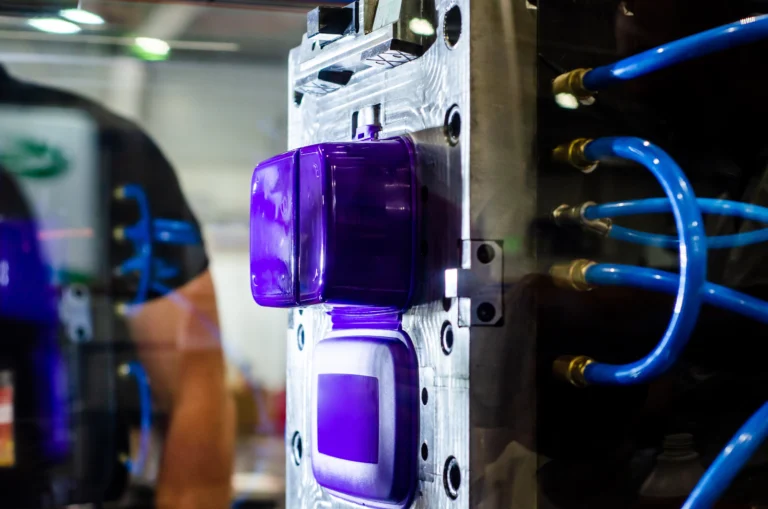
Injection mold modification cost runs from $300 for a polish re-do to $28,000 for a cavity add, but the machining quote is never the full number. This breakdown covers every line item, including sampling, logistics, and internal engineering time, with real USD ranges from offshore and domestic toolmakers.
Burn Marks in Injection Molding: Diesel Effect, Venting, and Gas Traps
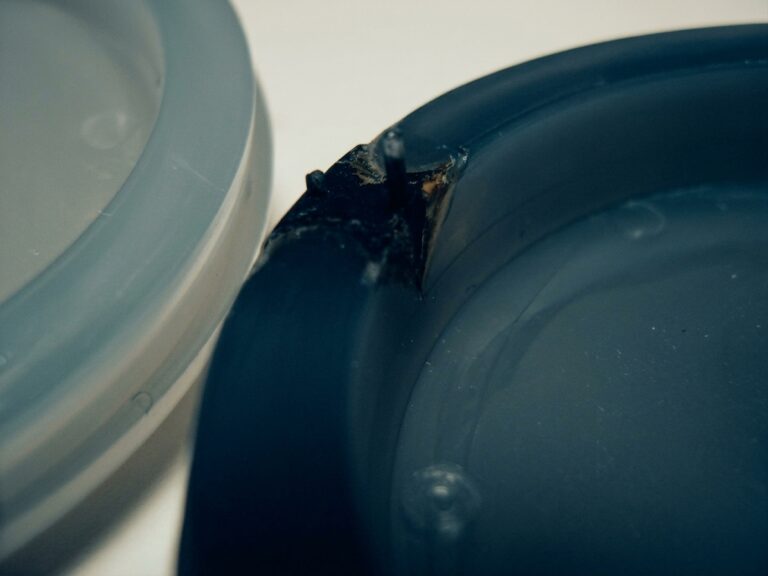
Burn marks in injection molding come from compressed gas, not excess heat. This guide covers the diesel effect, gas trap diagnosis, vent depth specs by resin, and when to cut steel versus adjust process parameters.
Flow Lines and Jetting in Injection Molding: Causes and Fixes
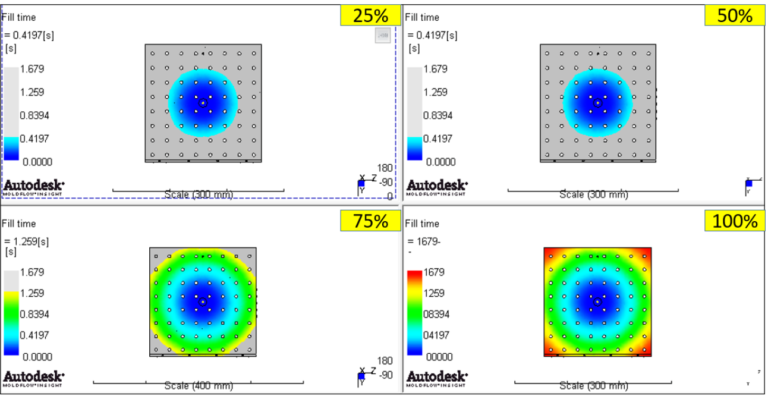
Flow lines in injection molding cause 20 to 35 percent of cosmetic first-article failures, but most cases resolve without tooling changes. This guide covers flow lines, jetting, the race track effect, and a prioritized process-fix sequence before you spend money on steel.