Injection molding insights &
manufacturing expertise.
Data-driven strategies, engineering best practices, and industry news that help manufacturers optimize tooling, reduce costs, and accelerate production.
Plastic Resin Selection for Injection Molding: Decision Tree + Table
Choosing the wrong resin forces tooling restarts and program delays averaging 8 to 14 weeks. This guide gives you a structured decision tree and a 12-resin comparison table covering commodity, engineering, and high-performance thermoplastics so you pick the right material before steel is cut.

Packaging Injection Molding from China: Caps, Closures, and Cosmetic Container Sourcing
Packaging injection molding from China cuts tooling costs 40 to 60 percent, but food-contact compliance, hot runner selection, and cavity-to-cavity consistency require precise specification work. This guide covers steel grades, validation requirements, and real cost benchmarks for caps, closures, and cosmetic container tools sourced from Chinese moldmakers.

Consumer Electronics Injection Molding in China: Enclosures, Housings, and Wearables
Consumer electronics injection molding in China delivers A-class cosmetic parts at tooling costs 55% to 65% lower than US shops. This guide covers steel selection, surface finishing, small-feature machining, color matching, and qualification timelines for CE enclosure and wearable programs sourced offshore.

Injection Mold Cooling Channel Design: Rules, Conformal Cooling, and Cycle Time Math
Injection mold cooling channel design controls more of your cycle time than any other tooling variable. This guide covers channel diameter rules, pitch, baffle and bubbler selection, conformal cooling breakeven math, and circuit layout for uniform temperature control.
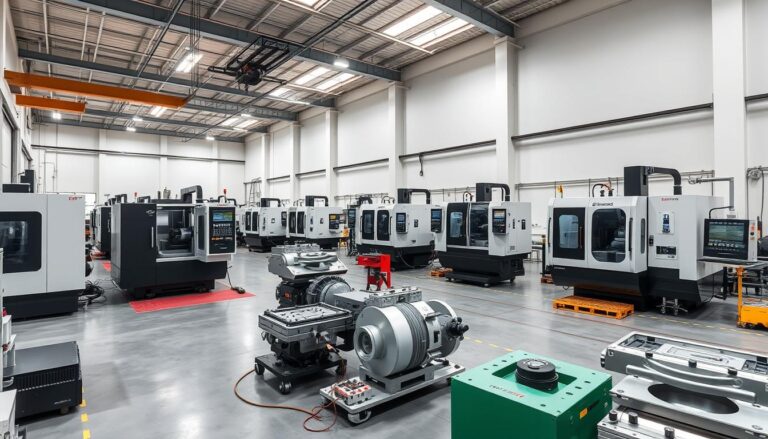
Injection Mold Base Selection: DME, HASCO, LKM, and What Chinese Shops Actually Use
Your injection mold base selection locks in cost, lead time, and spare parts strategy before the first cavity pocket is cut. LKM dominates Chinese shops at 70% market share, but DME and HASCO compatibility is achievable with the right spec language. Here is how to write a mold base specification that works offshore without sacrificing US maintainability.

Vietnam vs China Injection Molding: The China+1 Strategy
Section 301 tariffs make Vietnam a serious alternative for US OEMs sourcing injection molded parts from China. But Vietnam tooling cost and mold complexity capability still lag China on complex work. Here is how to build a China+1 program that actually holds up.
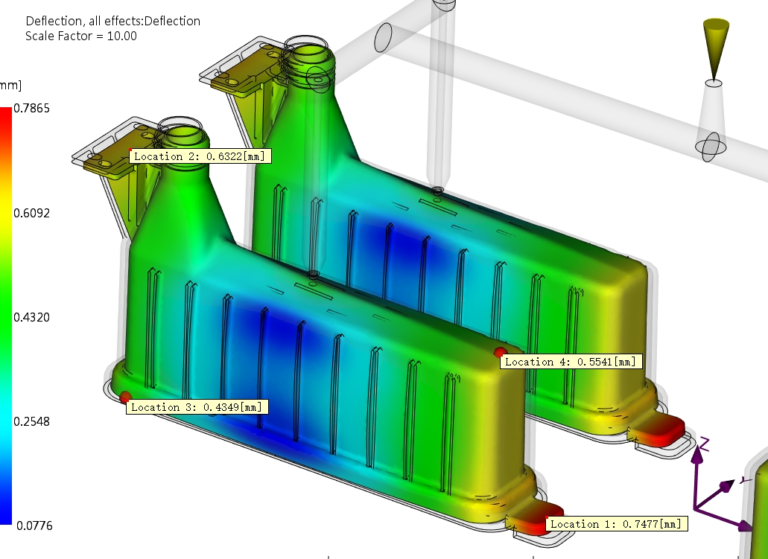
Short Shot Injection Molding: Systematic Troubleshooting Guide
Short shot injection molding failures cause roughly 15% of first-article rejections on offshore tool launches. This guide walks you through a four-step diagnostic sequence covering pressure, flow restriction, venting, and melt temperature so you resolve the defect before it burns machine time and budget.

Warpage in Injection Molding: Why Parts Warp and How to Fix It
Warpage injection molding defects cost programs thousands in rework and scrap. This guide covers the four root causes, including differential shrinkage and fiber orientation effects, and gives specific process and design fixes with real tolerances and cost data.
Sink Marks in Injection Molding: Causes, Prevention, and Fixes
Sink marks in injection molding are predictable and preventable. This guide covers the design ratios, process settings, and tool corrections that eliminate sinks before they cost you $3,500 to $8,000 in rework. Front-load the fix and you pay nothing extra.
Rib and Boss Design for Injection Molded Parts: Avoiding Sink Marks
Rib and boss geometry violations cause most preventable sink marks and warpage in injection molded parts. This reference guide covers the 60% rib-to-wall ratio, boss OD/ID rules, draft angles, and material-specific adjustments with hard numbers for every major resin family.

Draft Angle Guidelines for Injection Molding: Smooth, Textured, and Deep-Feature Parts
Draft angle injection molding requirements change with surface finish, texture depth, feature height, and resin shrinkage. This reference guide gives engineers exact minimums for smooth walls, textured surfaces, ribs, bosses, and undercut features, with a table covering all SPI finish grades.

Wall Thickness Guidelines for Injection Molding: A Material-by-Material Reference
Wall thickness in injection molding controls fill pressure, cycle time, warpage, and part cost. This reference table covers nominal wall targets, min/max ranges, thin-wall thresholds, and flow-length ratios for 14 common resins. Use it before design release to avoid costly steel corrections.