Injection molding insights &
manufacturing expertise.
Data-driven strategies, engineering best practices, and industry news that help manufacturers optimize tooling, reduce costs, and accelerate production.
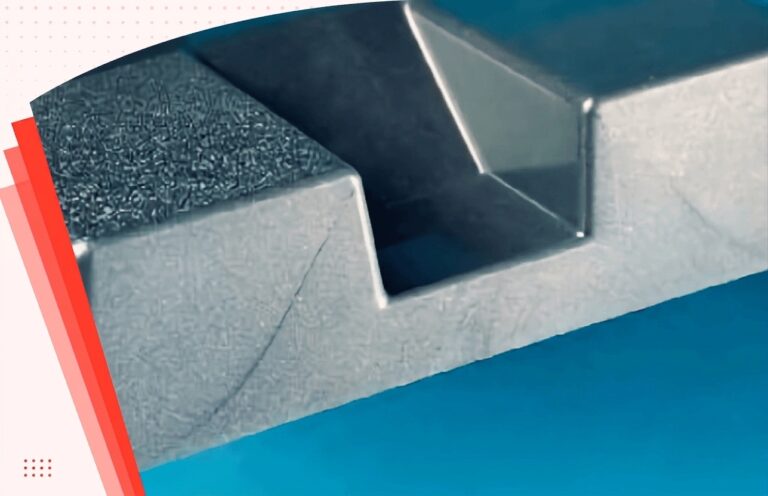
Weld Lines in Injection Molding: Causes, Strength, and Fixes
Weld lines in injection molding reduce tensile strength by 10% to 50% depending on resin and gate position. This guide covers how to move weld lines with gate changes and flow leaders, recover strength through processing, and hide unavoidable knit lines on cosmetic surfaces.

Appliance Injection Molding China: Large-Part Tooling Guide
Appliance injection molding from China delivers production-ready large-part tooling at 40 to 55 percent below domestic costs. This guide covers press size requirements, tool steel specs, shipping logistics for molds up to 22 tons, and durability standards for 500,000-plus cycle appliance programs.

China Mold Steel Quality: Domestic vs Imported Explained
China mold steel quality ranges widely between domestic mills and certified imported brands like ASSAB 8407, Daido DC53, and Bohler M333. Imported steel costs 40% to 60% more but earns the premium on high-volume and abrasive-resin applications. Learn how to specify correctly and verify mill certs before your tool ships.
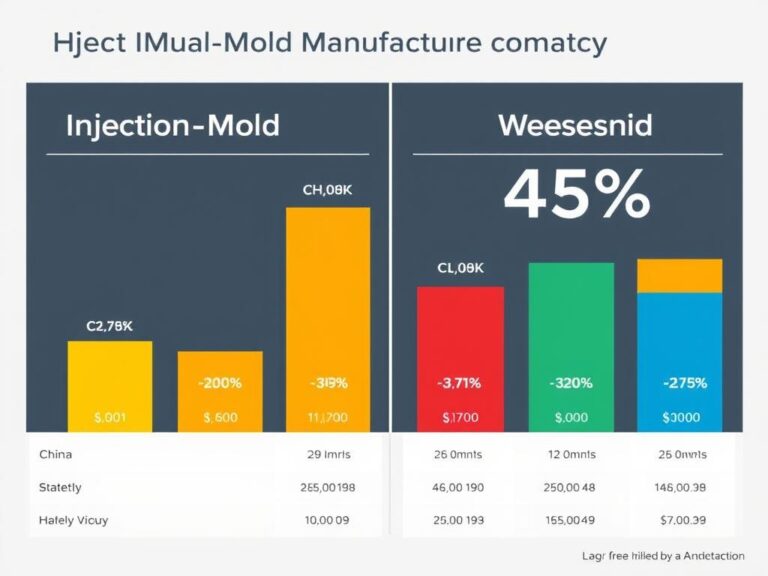
Injection Mold Cost Factors: 10 Things Every Buyer Should Know
Injection mold cost factors are predictable once you know what drives them. This guide covers all 10 variables, from steel grade and cavity count to hot runners and SPI cycle life class, with specific dollar figures and offshore cost comparisons.
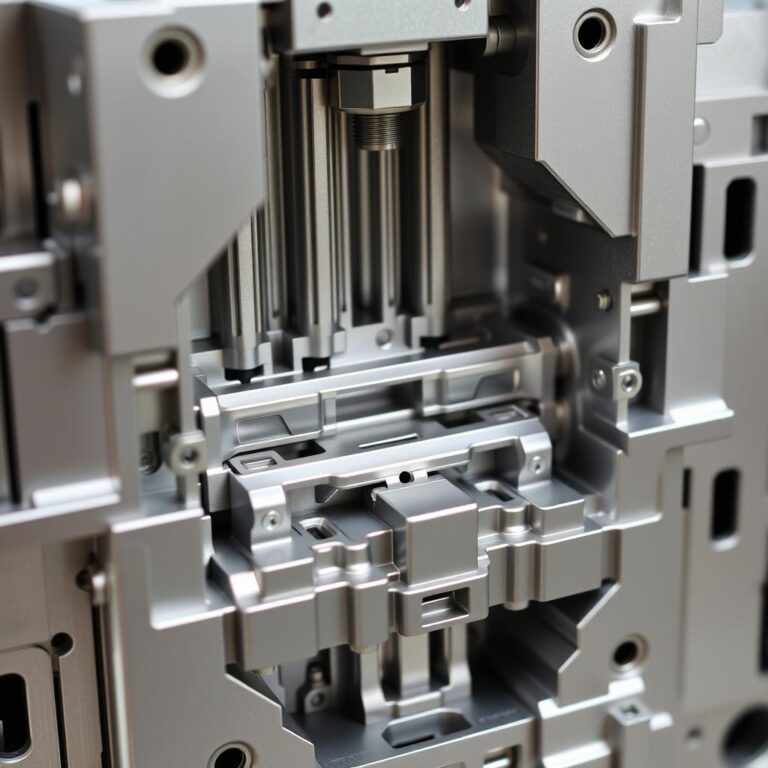
Injection Mold Cavity Count: How to Choose and Maximize ROI
Choosing the wrong injection mold cavity count costs you either overbuilt tooling or a second tool purchase mid-program. This guide walks through break-even analysis for 1 to 16 cavity tools, family mold tradeoffs, and press size implications with hard numbers.
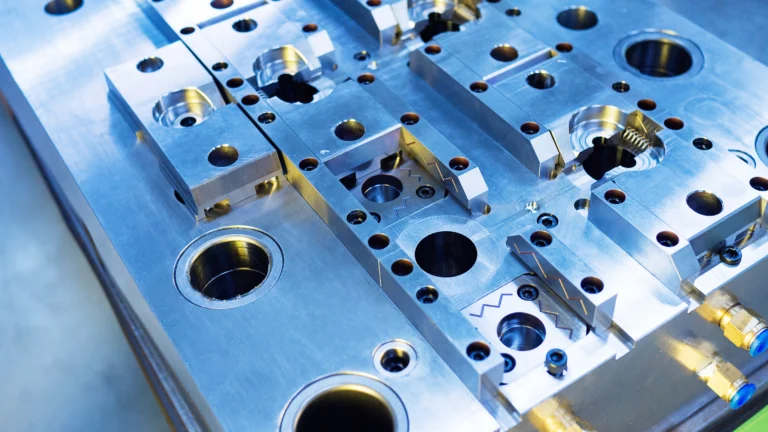
Injection Mold Trial Process: T0, T1, T2 Step-by-Step
A structured injection mold T1 trial separates on-time tool launches from costly rework cycles. This guide breaks down the T0 dry run, T1 first shots, and T2 optimization trial with checklists, defect root causes, and buyer sign-off criteria for offshore mold programs.
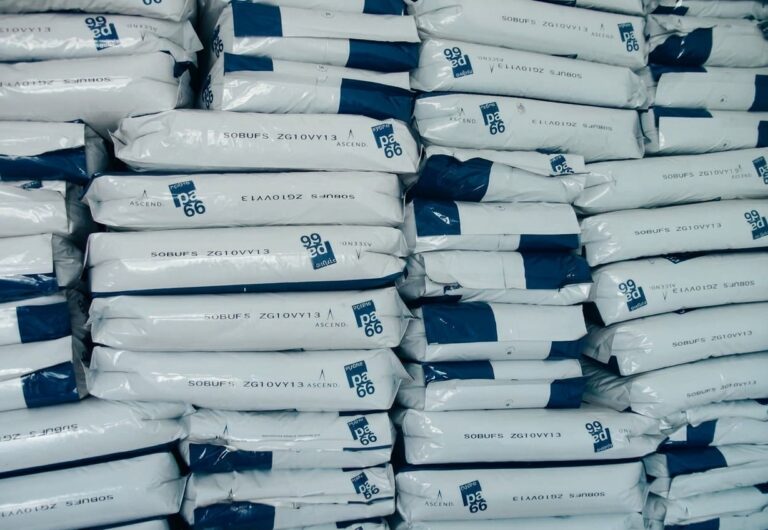
Nylon Injection Molding: PA6, PA66, and Glass-Filled Grades
Nylon injection molding fails more often from wet pellets than bad tooling. This guide covers PA6 vs PA66 selection, drying protocols, glass-filled shrinkage data, and offshore tool steel specifications to protect your program from the most common and costly mistakes.
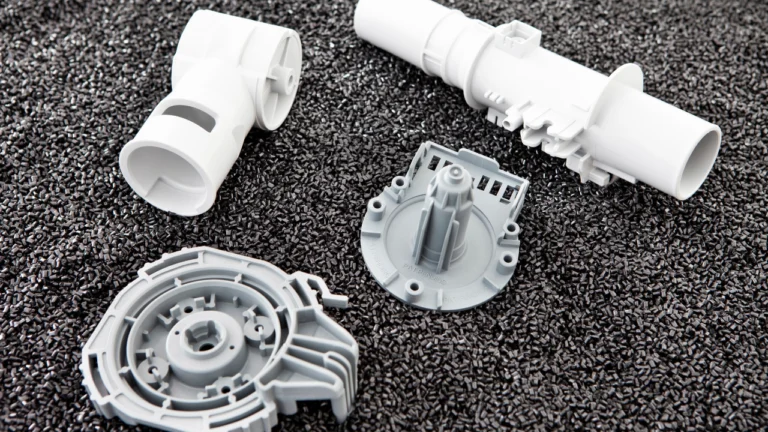
Polycarbonate Injection Molding: Processing Guide for PC and PC/ABS
Polycarbonate injection molding requires precise drying, melt, and mold temperature control to avoid scrap and ESC failures. This guide covers PC grades, pc molding conditions, optical-grade processing, PC/ABS blends, and mold design parameters with specific numbers for every critical variable.

ABS Plastic Injection Molding: Processing and Design Guide
ABS plastic injection molding rewards engineers who control melt temperature, moisture, and cooling precisely. This guide covers grade selection, shrinkage rates, molding conditions, and the root causes of the most common ABS defects, with offshore tooling specs built in.
Melt Temperature in Injection Molding: Reference Ranges by Material
Melt temperature injection molding parameters vary by resin, and running outside the window causes defects, degradation, and dimensional drift. This reference table covers 20 common resins with melt ranges, degradation onset temperatures, and shrinkage values. A worked PC/ABS example shows the correct setup workflow after a tool ships from an offshore supplier.
Injection Pressure in Plastic Molding: Peak, Pack, and Hold Explained
Injection pressure in injection molding controls part weight, dimensional accuracy, and cosmetic quality across four distinct cycle stages. This guide covers peak injection pressure, pack pressure, and hold pressure with specific PSI ranges by resin, curve diagnostics, and offshore tooling documentation requirements.
Injection Molding Cycle Time Reduction: Cut Seconds, Not Quality
Injection molding cycle time reduction of 15% to 30% is achievable on most programs without sacrificing part quality. This guide breaks down every stage of the cycle, identifies where the real time waste hides, and gives you specific actions with real cost and time numbers attached.