Services / Moldflow analysis
Moldflow Analysis Services See the fill, the warp and the cooling before the steel is cut.
A mold modification after T1 costs real money and weeks of schedule. Moldflow simulation finds short shots, weld lines, air traps, sink and warp on screen, where the fix is a gate move or a cooling line, not a steel change.
Reviewed by MoldMinds engineering · October 2026
- Written report you can hand straight to your toolmaker
- Three fixed scopes, from a fast sanity check to a full study
- Fixed-price quote from your CAD file
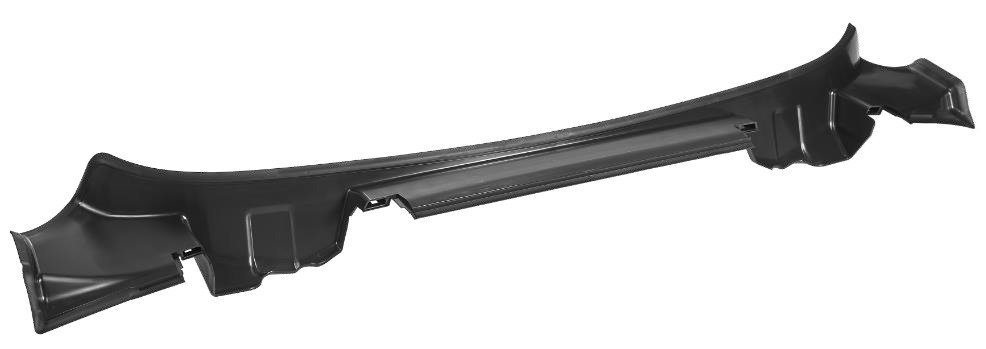
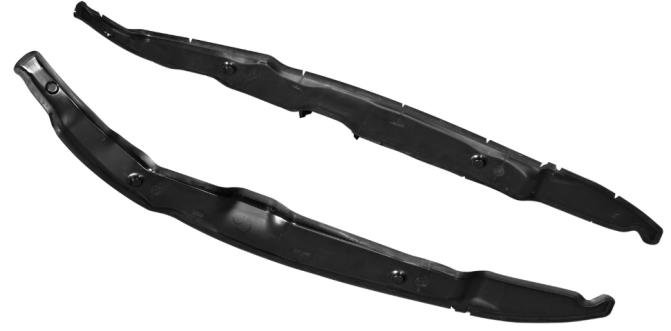
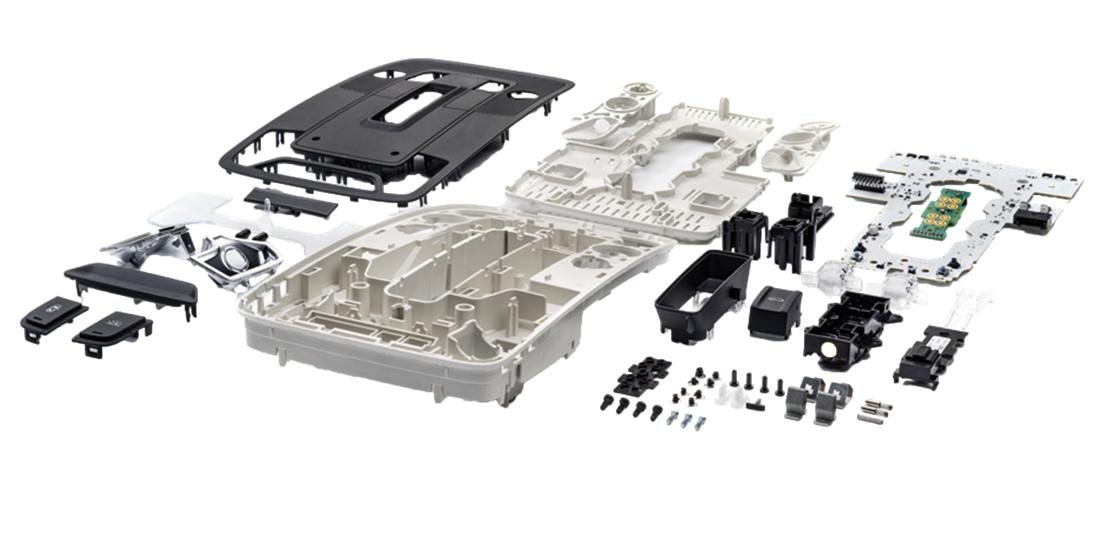
Six analyses that find defects on screen.
Each one answers a specific question before anyone orders steel.
Fill pattern
How the melt moves through the cavity. Short shots, weld lines and air traps located and fixed in the design.
Gate location study
Multiple gate scenarios compared for aesthetics, strength, balance and manufacturability.
Pack pressure
Packing profiles that remove sink and voids without flash or overpacking.
Cooling optimization
Channel layout for uniform temperature and shortest practical cycle.
Warpage prediction
Quantified deformation so tolerances are met at T1, not after a rework.
Material comparison
Resin grades compared side by side for flow, warp and cycle time.
What a moldflow analysis tells you
Moldflow analysis simulates how plastic fills, packs and cools inside the mold before the mold exists. It shows where melt fronts meet and form weld lines, where air gets trapped, which areas short shot or sink, how the cooling layout drives cycle time, and how much the part will warp once it leaves the mold. Each result points to a design or tooling change that is cheap on screen and expensive in steel.
When you need a study, and when you can skip it
Run a study when a steel change after T1 would hurt: multi cavity and family tools, hot runner balance, thin walls or long flow lengths, cosmetic surfaces, tight tolerances, and glass filled or semicrystalline resins that tend to warp. A simple, forgiving part in a commodity resin often does not need one, and we will tell you when that is the case.
What drives the cost of a moldflow study
- Scope. A fill and gate check is a smaller job than a full fill, pack, cool and warp study with iterations.
- Geometry. Part size, wall variation and feature count drive meshing and solve time.
- Cavitation and runner system. Multi cavity, family and hot runner layouts add balancing work.
- Iterations. Each extra gate location or cooling layout compared is another set of runs.
- Material data. Common grades are ready to run. Uncharacterized or specialty resins may need a substitute grade or extra validation.
That is why we quote from your CAD file: a fixed price for the scope that answers your question, not an hourly estimate.
Moldflow and DFM work together
A DFM review checks the design rules: draft, wall thickness, ribs, bosses and parting line. Moldflow tests what those rules cannot predict, such as how this resin fills this geometry from this gate. On most programs we run them together through our part design and DFM service, and the results go straight to the toolmaker through our tooling project management.
Does your part need Moldflow analysis?
Five signs a part needs a study before steel is cut, and one sign it does not. About 90 seconds.
How a study runs
CAD in
Send the part model and your target resin, cavitation and press.
Scope
We confirm the analyses that answer your question and quote a fixed price.
Simulate
Fill, pack, cool and warp runs. Iterations on gate and cooling where needed.
Report
Written findings with plots and specific design recommendations.
Review
A call with your engineer or toolmaker to walk through the results.
What you receive
- Fill, pack, cool and warp plots
- Recommended gate locations and cooling layout
- Processing window and clamp tonnage estimate
- Written report your toolmaker can act on
Three scopes
| Basic | Professional | Advanced engineering | |
|---|---|---|---|
| Includes | Fill pattern, gate location, basic cooling, pressure, short shot check | Basic plus 3D warpage, material comparison, detailed report | Professional plus multi-cavity balancing, overmold and multi-shot, fiber orientation, optimization study |
| Report | Technical summary | Detailed technical report | In-depth study |
| Support | One-hour review call | Ongoing consultation |
Quoted from your CAD file. Fixed price per scope.
Moldflow questions, answered.
When is moldflow worth it?
Multi-cavity tools, thin walls, long flow lengths, tight tolerances, glass-filled or amorphous resins prone to warp, hot runner balance, and any part where a steel change after T1 would hurt. Simple, forgiving parts often do not need it.
What do you need from me?
A 3D model (STEP, Parasolid or native CAD), the resin or candidate resins, target cavitation, and the press or tonnage range if known.
Can moldflow fix a mold that already runs badly?
Often. Simulating the existing gate and cooling layout shows why the part warps or short-shoots, and what change is worth cutting.
How is the report delivered?
A written PDF with plots and recommendations, plus a review call on the Professional and Advanced scopes.
How long does a moldflow study take?
It depends on the scope and the number of iterations. You get a written schedule with the fixed price quote, usually within one business day of sending the CAD.
Can you run moldflow on a part that is not finished?
Yes, and that is often the best time. An early fill and gate study on a near final model shows which design changes matter before tool design starts.
Upload the CAD. Get a fixed price.
Send the part file and the resin. We scope the study and quote it within one business day.
A MoldMinds engineer, not a sales team, answers every inquiry. Greensboro, NC and Mexico.