Services / Tooling project management
Injection Mold Tooling Project Management Your offshore mold build, run by one US engineer from RFQ to first article.
Managing an overseas tool build is a full-time job: supplier vetting, DFM sign-off, steel verification, weekly progress checks across time zones, trial witnessing, FAI and PPAP, customs. MoldMinds does that job for you, with vetted partner shops in China, Vietnam and Portugal and one accountable point of contact in Greensboro, NC.
Reviewed by MoldMinds engineering · October 2026
- One US-based owner for the whole program, working your hours
- Partner shops audited in person, ISO 9001 and IATF 16949
- Weekly photo reports, milestone tracking, written change control
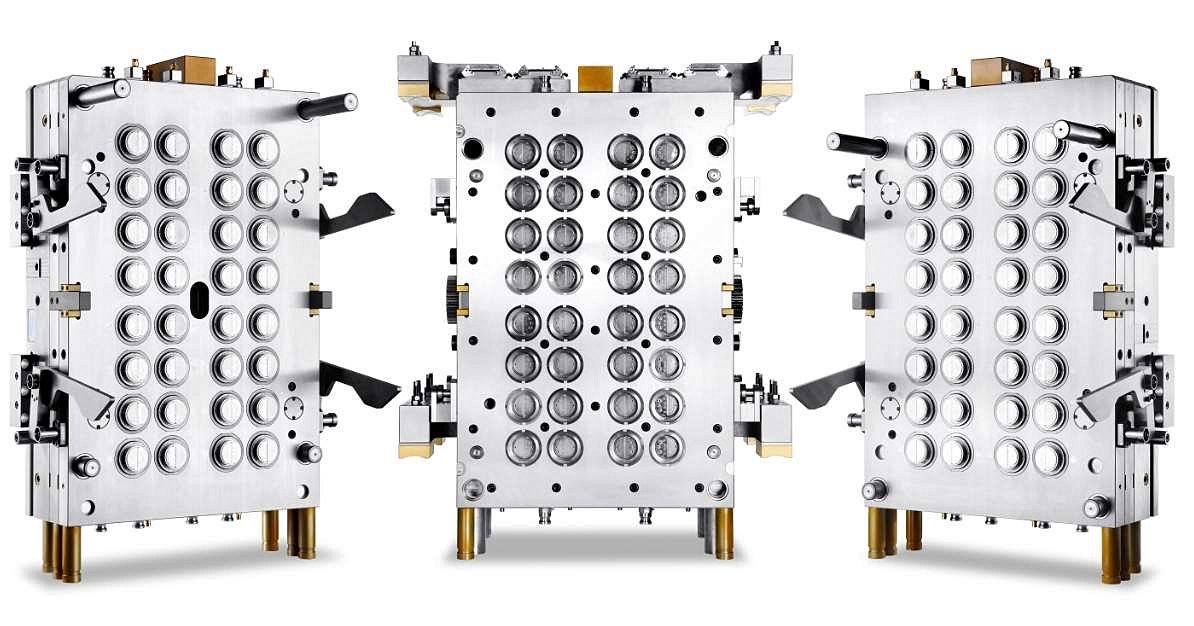
Everything between your CAD file and a qualified mold on your floor.
We are not the mold shop. We are the engineers managing the mold shop on your behalf.
Supplier sourcing and RFQ
Your project goes to pre-qualified partner shops matched to cavitation, tonnage, certifications and current capacity. You get three to five comparable quotes with a written capability and risk assessment.
DFM and moldflow before steel
Wall thickness, draft, gating, cooling and ejection reviewed in CAD. Moldflow where the geometry warrants it. Changes cost hours here, weeks later.
Tool design review and approval
3D mold design approval, steel grade and heat treat verification, hot runner selection, cooling and venting evaluation, ejection and core pull review.
Build oversight
Weekly status reports with shop photos, milestone tracking against the agreed schedule, and problems raised the day they appear, not the week after.
Trials, FAI and PPAP
T0 to T2 trials coordinated and witnessed, dimensional reports from CMM, material certifications, PPAP documentation assembled for your quality team.
Logistics and launch
Crating, freight, insurance, customs brokerage and HS classification. Remote support during your production ramp. Repair partners in Wisconsin, Illinois, North Carolina, California and Mexico afterward.
What injection mold tooling project management covers
Tooling project management is the engineering and coordination work between a released part design and a qualified mold running in production. On an offshore build that means choosing the right shop, getting DFM and tool design right before steel is cut, tracking the build week by week, witnessing trials, and making sure the FAI and PPAP package matches what your quality team needs. It is the work an OEM tooling engineer would do, done by a team that manages mold builds every week.
Why offshore tool builds go wrong
- Specs get lost in translation. Steel grades, finishes and standards that are obvious to you can mean something different to the shop.
- Problems surface late. Without checkpoints during the build, the first time you see an issue is at T1, when every fix costs weeks.
- Nobody owns the schedule. A 12 hour time difference turns every question into a day of delay.
- Paperwork arrives incomplete. Missing material certifications or dimensional data stall PPAP after the tool has already shipped.
A managed program puts one accountable engineer on each of these. Our guide to choosing an offshore tooling partner has the full vetting checklist.
Who this is for
OEMs without a full time tooling engineer, teams launching several tools at once, and molders who want offshore tooling without building their own supplier network. If you already run offshore programs and want a second set of eyes on one tool, our injection molding consulting covers single quote reviews and tool audits.
From purchase order to T1 on an offshore mold build
The six steps between the purchase order and the first shots, and what to watch for at each one. About 90 seconds.
How a program runs
Discovery
Part requirements, volumes, quality standards, budget and timeline. Initial DFM feedback.
Supplier selection
RFQ to matched partner shops. Side-by-side quotes with capability and risk notes.
Design phase
DFM report, moldflow where needed, tool design package reviewed and approved.
Build
Weekly reports and photos. Checkpoints at mold base, steel, electrodes, pre-assembly.
Trials and validation
T0 to T2 witnessed. FAI, CMM, material certs, PPAP.
Delivery and support
Shipping, customs, installation guidance, lifecycle support.
What you receive
- Written quote comparison with risk assessment
- DFM report and, where scoped, moldflow report
- Approved tool design package
- Weekly progress reports with photos
- FAI and PPAP documentation package
- Shipping and customs paperwork
Where we build, and why it depends on the part
| China | Vietnam | Portugal | |
|---|---|---|---|
| Best fit | High cavitation, complex hot runner, 2K and overmold, large automotive tools | Mid-complexity tools, programs diversifying away from China | EU-market programs, tight-tolerance precision tools, short freight to US East Coast |
| Typical strengths | Deepest capacity and equipment base | Cost competitive, growing capability | European quality systems, proximity |
| Watch items | Tariff exposure, supplier variance | Capacity limits on the largest tools | Higher labor cost than Asia |
We recommend the shop per program. Nobody gets a default.
Project management questions, answered.
How do you prevent communication breakdowns with overseas suppliers?
One US-based engineer owns the program and handles supplier communication in the supplier's time zone. Your specs are rewritten in the language a mold shop interprets correctly, with steel cross-references and standard mappings. You receive a weekly written update with photos.
How do you ensure quality on an offshore tool build?
Checkpoints at mold base, steel, electrodes, pre-assembly, pre-trial and pre-ship. Trials are witnessed. First article inspection with CMM data and material certifications is reviewed before final payment.
How is my intellectual property protected?
NDAs with every partner shop, milestone-based payments, and contractual mold ownership in your name. We only work with shops we have audited in person.
Which industries do you serve?
Automotive, medical device, consumer electronics, appliance and industrial programs. Regulated programs run under the partner shop's audited quality system.
What happens after my tool is delivered?
Remote support during ramp, and a repair network in Wisconsin, Illinois, North Carolina, California and Mexico for maintenance, modifications and repair.
How much does managing a tool build in-house really cost?
Count the engineering hours spent on supplier calls at odd hours, the trips, and the cost of one missed defect at T1. Most OEMs find a managed program costs less than the hours they were already spending.
Do you only manage tools built in China?
No. We place builds with partner shops in China, Vietnam and Portugal and recommend the location per program, based on the part, the tool and where it will run.
What do I need to start a program?
The part CAD, the resin, annual volume, target cavitation if you know it, and your launch date. With that we recommend a shop and return comparable quotes.
Send us the tool you are about to order.
We will tell you what the quote hides, which partner shop should build it, and what the schedule really looks like. Engineer to engineer, within one business day.
A MoldMinds engineer, not a sales team, answers every inquiry. Greensboro, NC and Mexico.