Injection molding insights &
manufacturing expertise.
Data-driven strategies, engineering best practices, and industry news that help manufacturers optimize tooling, reduce costs, and accelerate production.
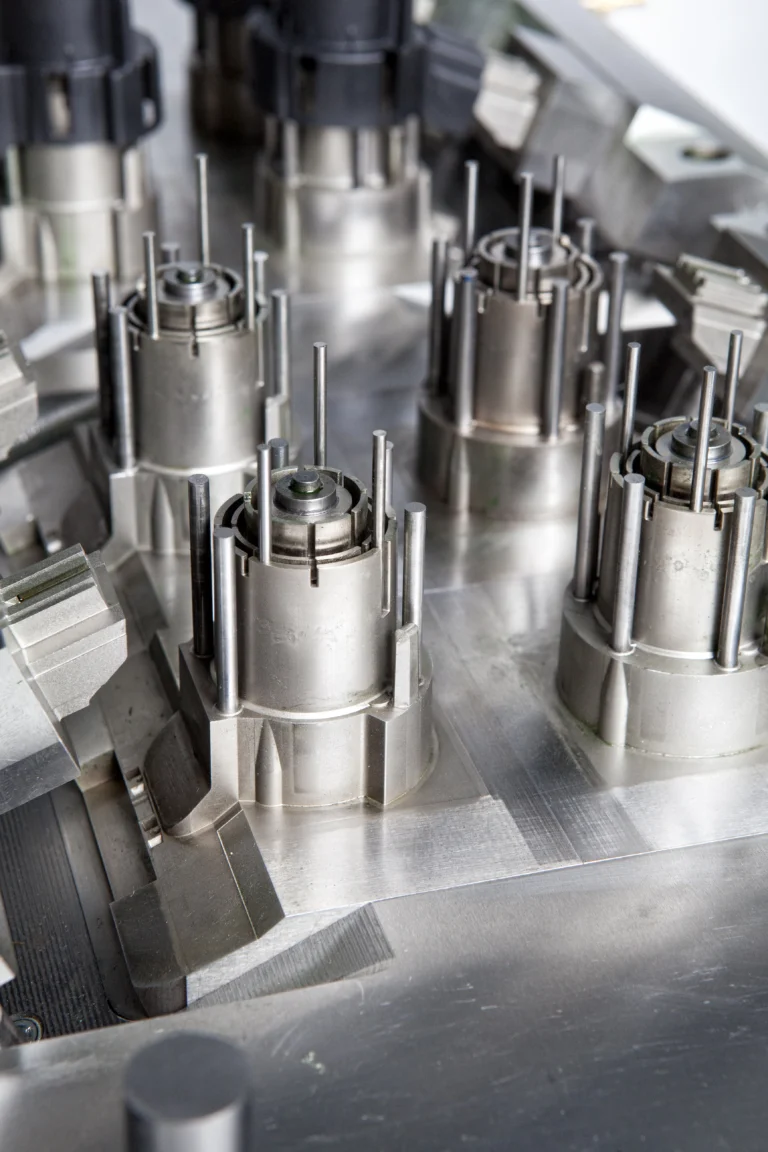
FAI and PPAP for China-Built Injection Molds: What Buyers Must Demand
A failed FAI PPAP submission on a China injection mold costs US OEMs between $22,000 and $75,000 in delays and rework. This spec guide covers every document, standard, and Cpk requirement you must demand before approving any offshore tooling submission.
China Mold IP Protection: NDA Templates and Contract Structures
China mold IP protection fails when US buyers rely on American-style NDAs that carry no weight in Chinese courts. This guide covers NNN agreements, mold ownership clauses, design escrow, and utility model patents, with real costs and a pre-kickoff checklist for tooling programs of any size.

China Injection Mold Lead Times: What to Expect at Every Stage
China injection mold lead time runs 8 to 16 weeks for most production tools. This guide breaks down every stage from DFM to FAI shipment, shows where schedules slip, and gives concrete tactics to compress your timeline without sacrificing tool quality.
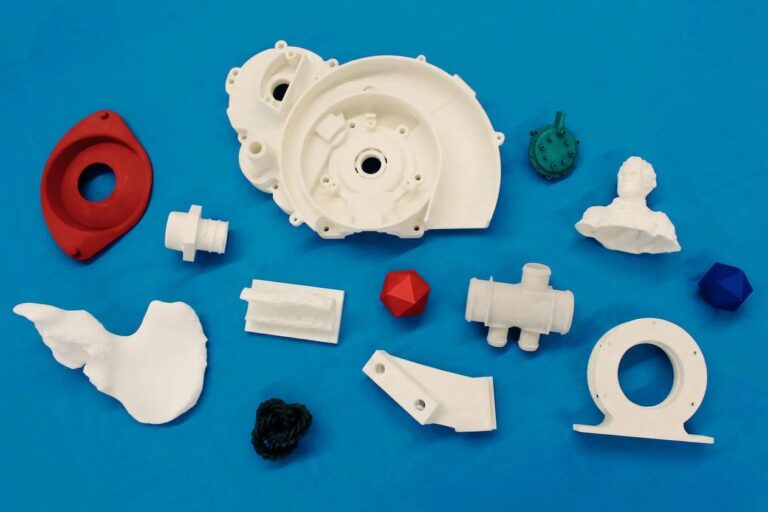
Injection Molding Tolerances: What’s Achievable and How to Spec Them
Misspecified injection molding tolerances add $8,000 to $25,000 to mold cost and weeks to build time. This reference guide covers achievable tolerance ranges by material, DIN 16901 and ISO 20457 explained, and the correct way to call out plastic part tolerances on production drawings.
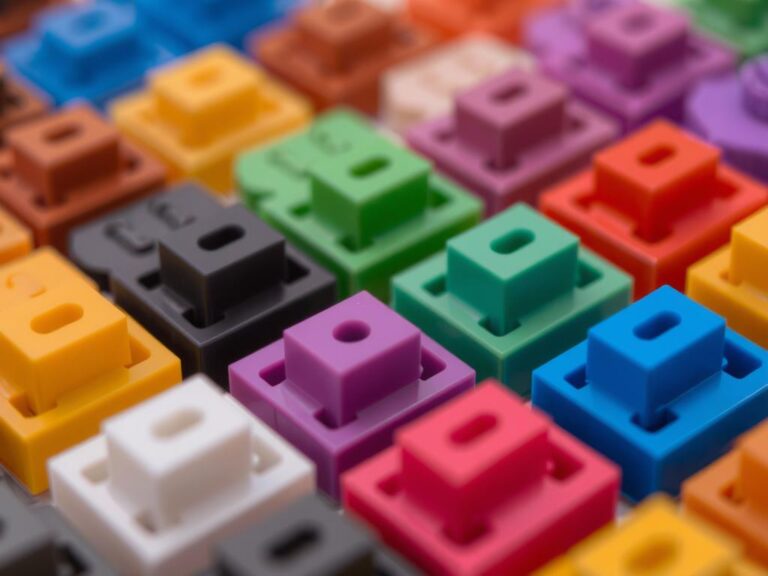
Shipping Injection Molds from China to the USA: Complete Logistics Guide
Shipping injection molds from China to the USA adds 27% to 34% to your mold purchase price once tariffs, freight, brokerage, and insurance are included. This guide covers every cost line, HTS classification, crating specs, and customs clearance steps your team needs to budget and schedule accurately.
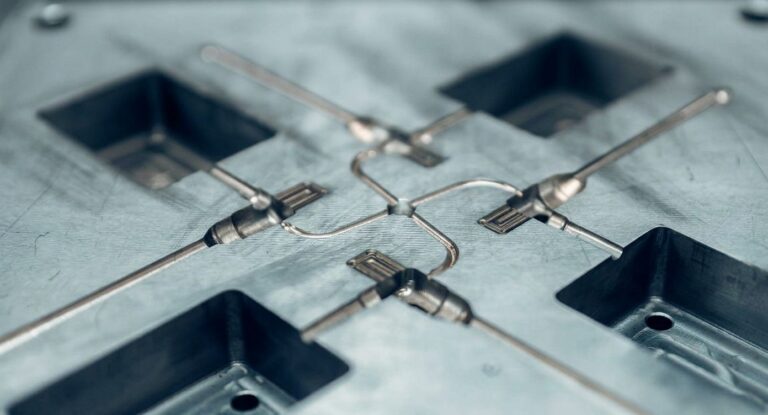
Injection Molding Gate Types: How to Choose the Right Gate Design
Choosing the wrong gate type costs you cycle time, cosmetic rejects, and rework dollars. This guide covers all seven major injection molding gate types, sizing rules by resin family, witness mark standards, and the decision logic for edge, submarine, hot tip, valve, fan, and diaphragm gates.
Overmolding vs Insert Molding vs Two-Shot Molding: Complete Comparison
Choosing between overmolding, insert molding, and two-shot molding drives tooling cost, cycle time, and per-part economics. This guide breaks down all three processes with real cost figures, material compatibility data, and design rules so you can pick the right process before cutting steel.
Injection Mold Maintenance: How to Extend Mold Life
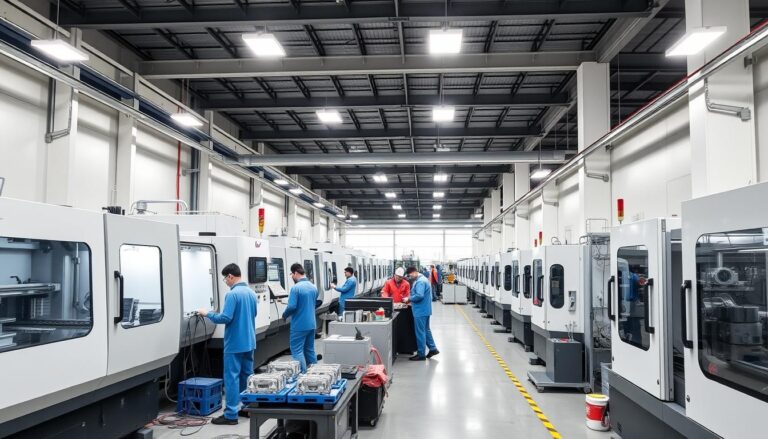
Disciplined injection mold maintenance can double your mold's rated life and cut per-part tooling cost in half. This guide covers PM intervals by shot count, cleaning protocols, common wear points, and how to make the repair-versus-retire call with real numbers.
Rapid Tooling vs Bridge Tooling vs Production Tooling: Which Do You Need?
Choosing the wrong tooling tier costs programs $40,000 or more in avoidable rework and tooling replacement. This guide breaks down cost, lead time, cycle life, and material compatibility for rapid tooling, bridge tooling, and production tooling, with a decision matrix built around annual volume and part maturity.
How to Manage an Offshore Mold Project: Timeline, Milestones, and Communication
Managing an offshore mold project without losing control of schedule or quality requires a formal milestone gate at every phase from kickoff through shipment. This playbook covers the exact timeline, communication cadence, and de-risking moves our project managers use on every China-sourced tool program.
Automotive Injection Mold Sourcing from China: IATF, PPAP, and Tier-1 Requirements
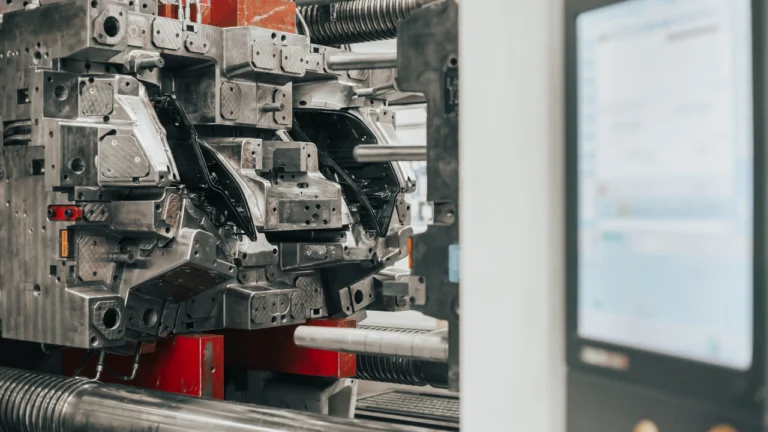
Automotive injection mold sourcing from China delivers 35% to 55% cost savings versus domestic tooling, but only when suppliers meet IATF 16949, PPAP Level 3, and Tier-1 customer-specific requirements. This guide covers steel specs, PPAP timelines, APQP integration, and 2024 pricing benchmarks for automotive procurement teams evaluating offshore mold programs.
Medical Device Injection Molding from China: FDA, ISO 13485, and Quality
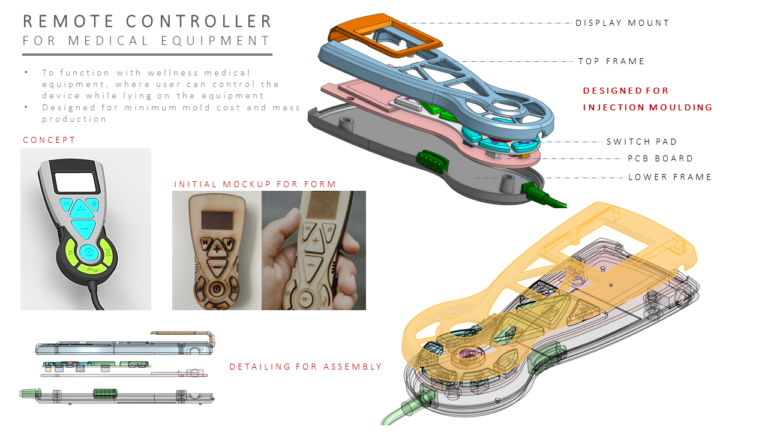
Medical device injection molding in China can cut tooling costs by 40% to 50% net, but only if your supplier holds valid ISO 13485 certification, supports IQ/OQ/PQ validation, and maintains full resin traceability. This guide covers every quality and regulatory requirement your Class II device program needs before you award a tool offshore.