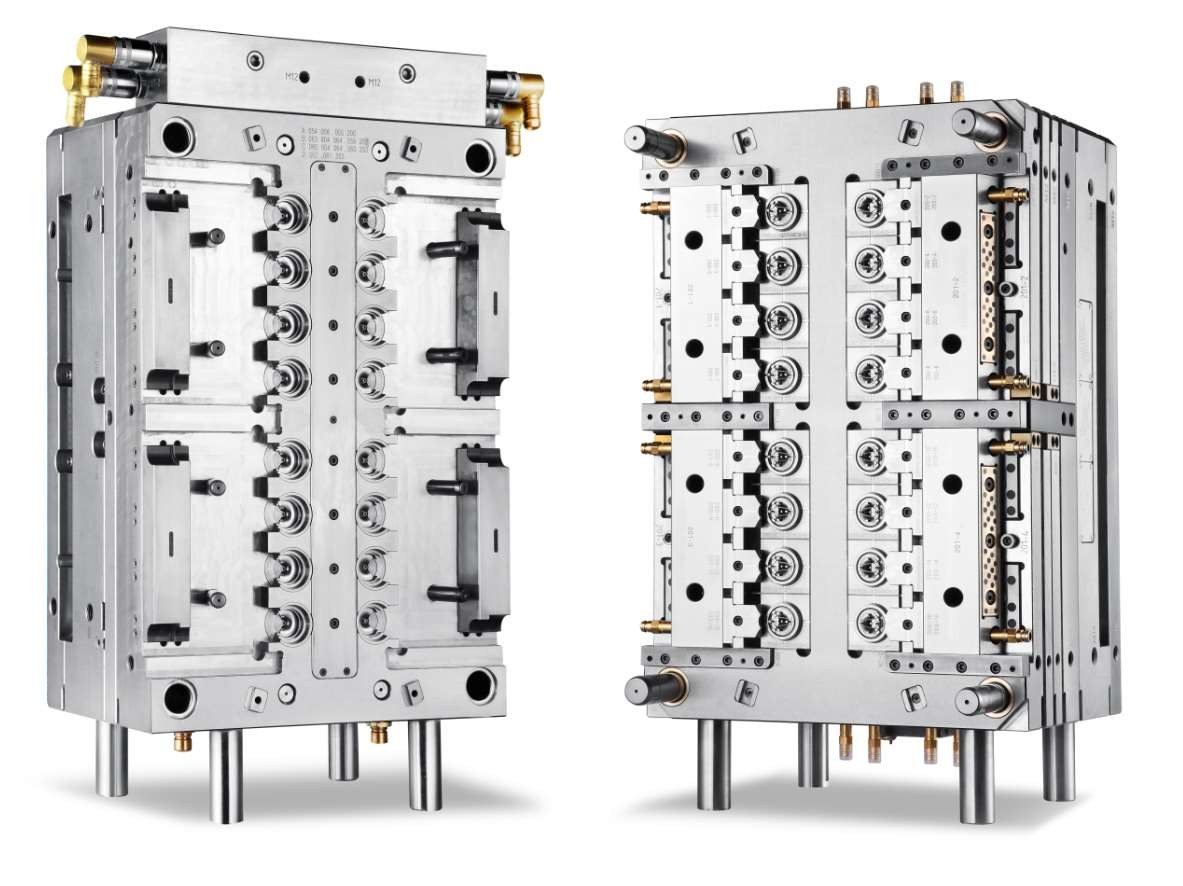
Insufficient Clamping Force
What is Insufficient Clamping Force?
The fundamental principle every injection molder must master to prevent flash and maintain part quality.
The Critical Balance
Clamping force is the pressure applied by the injection molding machine to keep the mold halves tightly sealed during injection. When this force is insufficient to overcome the cavity pressure generated by injected molten plastic, the mold separates—allowing material to escape through the parting line.
The result? Flash defects, dimensional instability, inconsistent part weight, and accelerated mold wear. Understanding and calculating the correct clamping force is essential for any successful molding operation.
Cavity pressure acts outward on all surfaces.
Clamping force must exceed this to prevent separation.
Recognizing the Warning Signs
Insufficient clamping force manifests in predictable ways. Identify these symptoms early to prevent costly production issues.
Flash / Burrs at Parting Line
Thin films of excess plastic escaping at the mold parting line. The most visible symptom—material flows into gaps when mold halves separate under injection pressure.
Dimensional Variation
Parts falling outside specification tolerances. When the mold opens during fill, cavity dimensions change unpredictably, causing inconsistent part geometry.
Shot-to-Shot Weight Variation
Inconsistent part weights beyond acceptable limits. Material escaping the cavity means less plastic in your finished part, creating quality inconsistency.
Surface Finish Degradation
Poor or inconsistent surface quality, especially near parting lines. Mold movement during fill disrupts the replication of mold surface texture.
Short Shots
Incomplete cavity fill due to material loss. When plastic escapes through parting line gaps, insufficient material remains to completely fill the part.
Accelerated Mold Wear
Worn parting lines, damaged shut-offs, and premature tool degradation. Repeated mold separation under pressure creates a worsening cycle of problems.
Why Clamping Force Becomes Insufficient
Systematic diagnosis is the first step to permanent solutions. Understand these seven primary causes.
The most fundamental cause: your injection molding machine simply doesn't have enough tonnage for the mold and part being produced. This occurs when projected area calculations were incorrect, when molds are moved between machines without verification, or when part designs have evolved.
Even with adequate machine tonnage, setting injection pressure too high creates cavity pressure that exceeds what your clamping force can resist. High-speed, thin-wall molding is particularly susceptible as it requires aggressive fill parameters.
Mold-related issues include worn parting line surfaces, poor mold fit, damaged shut-offs, and designs that concentrate force unevenly. Even new molds can have problems if tolerances weren't held during manufacturing.
The hydraulic system generates clamping force. Worn seals, contaminated oil, failing pumps, or malfunctioning valves all reduce the actual force delivered—even when the machine displays the correct pressure setting.
Material viscosity directly affects cavity pressure requirements. Low-viscosity materials flow easily into small gaps. Elevated melt temperatures reduce viscosity further. Filled materials can behave unpredictably.
Beyond injection pressure, other process parameters affect required clamping force. Barrel temperature, injection speed profiles, pack/hold settings, and back pressure all influence peak cavity pressure.
Misaligned platens apply clamping force unevenly across the mold face. Toggle machines can develop alignment issues over time. Thermal expansion of platens can also cause uneven force distribution.
Proven Fixes for Clamping Problems
Systematic approaches to eliminate insufficient clamping force and restore production quality.
Verify Machine Capacity
Calculate required clamping force and confirm your machine has adequate tonnage with appropriate safety margin.
Optimize Injection Parameters
Reduce cavity pressure by adjusting injection speed, pressure, and temperature settings.
Inspect & Repair Mold
Address mold wear and fit issues that allow material escape even with adequate clamping force.
Verify Machine Condition
Ensure the machine can actually deliver its rated clamping force through proper maintenance.
Verify Platen Alignment
Ensure clamping force is distributed evenly across the mold face for consistent sealing.
Increase Clamping Force
When other solutions aren't sufficient, directly increase the force applied to the mold.
Clamping Force Calculator
Estimate the minimum required clamping force for your application
Need Expert Help with Clamping Issues?
Our injection molding specialists can diagnose your specific situation and recommend targeted solutions to eliminate clamping force problems permanently.
Want this applied to your program?
Send the part or the quote. An engineer replies within one business day.